Setting Up KPIs For Your Registered Training Organisation
Astonishingly, less than 10% of all Australian businesses have Key Performance Indicators (KPIs). This means that the majority of businesses are not measuring their performance in any meaningful way. Even more concerning is that managers typically only look at the actual sales as the KPI, which is a lagging indicator. This means they are looking at past performance rather than taking proactive steps to improve their business.
When it comes to Registered Training Organisations (RTOs) in Australia, the figure mirrors the Australian trend, with less than 10% having KPIs. This means that fewer than 500 RTOs are managing their business by measurable indicators and taking proactive steps to improve their performance. RTOs need to have KPIs in place so they can measure their progress and make informed decisions about how to serve their students best and achieve success. Without KPIs, RTOs may miss out on growth and improvement opportunities.
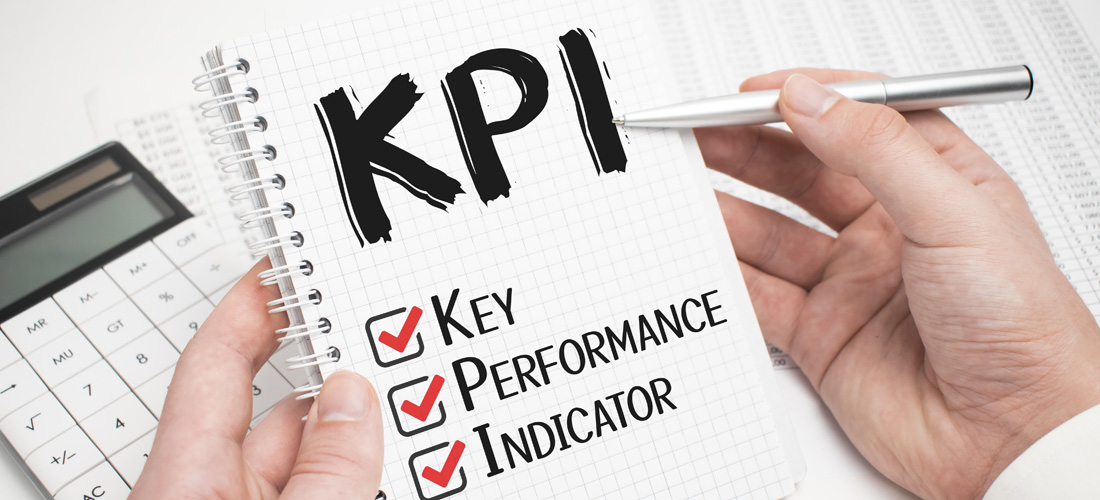
Why are KPIs important?
KPIs are significant because they empower you to check progress and recognise enhancement zones. By observing KPIs, you can make alterations to your instruction plans to attain better results.
How often should you review KPIs?
Analysing KPIs regularly, like monthly or quarterly, helps you monitor progress and detect trends.
As a sales leader, do you focus on analysing leading indicators or using lagging indicators?
When devising your KPIs, it is essential to bear in mind that they ought to be pioneering pointers that elicit a craved purpose. In selling, they must guarantee you have an abundant pipeline and forthcoming business. Notably, they will contribute an unbiased means of measurement that allows you to detect your impending future – frequently before it is too late to reproduce the method or to redress any predicaments with your personnel.
A fundamental move in concluding which Key Performance Indicators to track (and measure correctly) is to comprehend the sales procedure. Crafting KPIs around the pipeline (not the projection) will enable you to predict possible business success precisely. You will have an intimate knowledge of how your team is presently performing and what impediments may lie ahead.
Gaining a clear understanding of the sales prognosis gives you a valuable tool for deliberating, budgeting and gauging indicators related to lead transposition effectiveness – such as cost per lead. This will lend a hand in correctly predicting your earnings and apportioning your funds fittingly.
Here are some KPIs every RTO should be measuring:
Leading Key Performance Indicators in the Funnel
- Number of qualified leads in the pipeline
- Sales cycle length
- The total length of time to qualify a new prospect
- Qualified for proposal ratios
- New client meetings
- Incoming phone calls
- Website Traffic
- Number of follow-up meetings that have a sales progression
- Cold leads to qualified ratios with conversion rates
- Lost sales
Developing Key Performance Indicators is the most crucial step. However, these can only be valuable if you measure and watch them relatively closely. It’s essential to stay on top of small trends, both good and bad, to be able to take action instead of reacting.
It’s easy to understand that no RTO desires to be taken off guard by dismal sales, and there is no cause to know what lies ahead! If the prosperity of your business means something to you, then owning demonstrable, distinct, and meaningful KPIs is indispensable.
Establishing the right key performance indicators will help your training organisation measure progress, pinpoint areas for improvement, and make needed changes that will increase results over time.
FAQs:
1) What are KPIs for an RTO, and why are they important?
KPIs (Key Performance Indicators) are measurable values that help RTOs track their performance in areas like student satisfaction, completion rates, and compliance. They ensure continuous improvement and regulatory compliance.
2) How do I choose the right KPIs for my RTO?
Choose KPIs based on your RTO’s goals, such as learner outcomes, trainer performance, compliance, and financial health. Ensure they are specific, measurable, achievable, relevant, and time-bound (SMART).
3) What KPIs should an RTO track for student success?
Track student completion rates, assessment pass rates, student satisfaction, progression rates, and employability post-training to gauge student success effectively.
4) How can KPIs help improve RTO performance?
KPIs provide data-driven insights to identify areas for improvement, optimise training delivery, streamline processes, and ensure better compliance, ultimately improving overall RTO performance.
5) How often should KPIs be reviewed in an RTO?
It should be reviewed regularly—typically quarterly or annually—to assess performance, identify trends, and make necessary adjustments to align with changing goals or regulations.
6) Can KPIs help with ASQA compliance?
Yes, it helps track compliance with ASQA standards by monitoring key areas such as trainer qualifications, assessment practices, student feedback, and reporting. They ensure that your RTO stays audit-ready.
Disclaimer:
The information presented on the VET Resources blog is for general guidance only. While we strive for accuracy, we cannot guarantee the completeness or timeliness of the information. VET Resources is not responsible for any errors or omissions, or for the results obtained from the use of this information. Always consult a professional for advice tailored to your circumstances.